
"war situation"
600 article(s) found

El Salvador Coffee country introduces the boutique of Renas Manor in IzaIco area of Sonsonate Province
A brief History of Coffee production in 1742, coffee was introduced to El Salvador from the Caribbean (1740). In the mid-19th century, El Salvador's original export pillar Indigo (one of the dyes) received a gradual decline in the development of synthetic dyes in Europe, and coffee gradually became the main export product under the guidance of the government. In 1856, the first 693 bags of coffee beans were shipped to Europe. all long

The manor in the coffee producing area of El Salvador introduces the treatment methods of fine coffee beans.
The civil war in coffee varieties caused chaos and affected economic development, but ironically allowed coffee antiquities to be preserved, and the situation was so chaotic that coffee producers in El Salvador failed to catch up with the renewal of coffee varieties in Central and South America. El Salvador produces 100% Arabica coffee, of which 68% is Bourbon, Coffea arabica var. Bourbon), 29% Pa

Salvador Mercedes Estate Coffee Flavor Description Grind Treatment Method Taste Introduction
The chaos caused by the civil war affected economic development, but ironically allowed the ancient coffee species to remain. The situation was too chaotic for Salvadoran coffee farmers to catch up with the trend of coffee variety renewal in Central and South America. El Salvador produces 100% Arabica coffee, of which 68% is Bourbon (Coffea arabica var. bourbon), 29% Pacas, the rest

Description of Grinding scale Flavor of Coffee beans in Honor Manor in El Salvador
The grinding scale flavor of coffee beans in Honor Manor in El Salvador describes the varieties in the manor area and introduces the present situation of coffee production in El Salvador. Natural and man-made disasters and ill-fated destinations are the most appropriate way to describe the challenges facing the coffee industry in El Salvador. Despite getting rid of the haze of war, El Salvador's coffee production still faces challenges from time to time, including: 1998, hurricane; 2001

The Origin and Development of English Black Tea drinking the Historical Story of English Black Tea caused by the War caused by Tea
The British fell in love with tea in the 17th century, when the British were introduced into England from China. At first, tea was just an upper-class thing, because it was expensive and not easy to buy. But by the 18th century, people from all walks of life in England were drinking tea, and drinking a lot. Of course, they have to import from China.

Coffee, a legend that can change the world
mark? Long live Coffee: how Coffee changes the World (translated by Han Huaizong) is by far the most complete record of the legend of coffee. After it was published in the United States, it immediately attracted high media attention. CNN, ABC and others have interviewed the author for this purpose, and this magazine specially publishes an abstract of the book long live Coffee. After you read it, you might.

The latest situation of Los Congo Manor in Nicaragua introduction to the cultivation of Coffee
Los Congo Manor is located in the town of San Fernando in Novo Segovia, Nicaragua, in the north of Nicaragua, near the Honduran border, which is the highest producing area in Nicaragua. Near the other side of it, it is also the best producing area in Honduras. Nicaraguan Coffee Bean wbr Powder Wbrros Congo Manor 2011 COE Runner-up wbr Bourbon Kaddura Los Congo

Introduction to the characteristics and varieties of coffee flavor description and grinding treatment in Mercedes Manor in El Salvador
El Salvador's coffee accounts for 40% of the country's exports, and it is usually picked in November, December and January-March of the following year. The export of raw beans lasts almost all year round. Coffee is produced in seven of the country's 14 provinces, with the largest number in the northwestern provinces of chalatenango and santa ana. The coffee produced in El Salvador is 100% Arabica, of which 68% is

Introduction to the treatment of Grinding degree of Coffee varieties described by Mercedes Manor in El Salvador
El Salvador's domestic topography is mainly mountainous, plateau, volcanic, known as the country of volcanoes, Santa Ana active volcano 2385 meters above sea level, for the country's highest peak; the north of the country is the Lompa River Valley, the south is a narrow coastal plain El Salvador implements a representative democratic republic system of separation of powers, the president and vice president are directly elected by the whole country, may not be re-elected, judicial power is determined by

Puerto Rico coffee beans, which used to be one of the most productive regions in the world
Puerto Rico has a history of producing coffee for nearly 300 years and was once one of the most productive regions in the world. According to the Starbucks website, Spanish explorers brought coffee from Louis XIV plantations in France to the island in 1736. The fame of Yaucono Selecto was once indistinguishable from that of Kona in Hawaii and the Blue Mountains in Jamaica. It was also the palace of European kings and Vandi.

Panamanian Coffee Flavor and Taste Manor introduces the planting situation of Alida Manor Coffee production area
[English name]: Panama Elida Natural [Coffee country]: Panama [Coffee]: Poquet [Coffee Manor]: Elida Manor [planting altitude]: 3300 m [roasting degree]: shallow roasting [treatment]: washing [Coffee flavor]: milk chocolate, citrus, peach, grapefruit Elida Manor is located in the western border province of Panama--
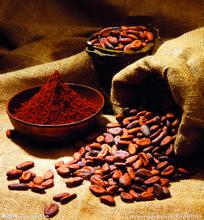
El Renas Estate Coffee Grind Taste Flavor Description Boutique Coffee Features
Honduras declared independence on September 15, 1821, but was incorporated into the First Mexican Empire in 1822. Joined the Central American Federation in 1823, withdrew from the Central American Federation in October 1838 and established the Republic. In Honduras in 1840, the conservative Francisco Ferreira, supported by Guatemala dictator Rafael Carrera, established a dictatorship. Freedom in Honduras after 1853

A brief introduction to the flavor description region of El Salvador Himalayan coffee by variety treatment
Introduction to ElSalvador Himalayan Coffee Variety and Flavor description A brief introduction to El Salvador Himalayan Coffee Flavor description of El Salvador Himalayan Coffee Variety description A brief introduction to the flavor of El Salvador Himalayan Coffee varieties El Salvador is one of the small countries in Central America where the civil war caused chaos and affected economic development, but ironically allowed the ancient species of coffee to be preserved, and the situation was so chaotic that El Salvador coffee producers failed to catch up with the renewal of coffee varieties in Central and South America. El Salvador is one of the small countries in Central America.

Salvadoran coffee with a nice sweetness Taste Manor Features of the region Renas Manor
A brief history of coffee production In 1742, coffee was introduced into El Salvador from the Caribbean (one said 1740). In the mid-19th century, El Salvador's original export pillar Indigo (Indigo, a dye) gradually declined due to the development of synthetic dyes in Europe, and coffee gradually became the main export product under the leadership of the government. In 1856, the first 693 bags of coffee beans were shipped to Europe. always

Introduction of Mt. Everest Coffee Grinding scale Variety production area treatment Manor in El Salvador
A brief History of Coffee production in 1742, coffee was introduced to El Salvador from the Caribbean (1740). In the mid-19th century, El Salvador's original export pillar Indigo (one of the dyes) received a gradual decline in the development of synthetic dyes in Europe, and coffee gradually became the main export product under the guidance of the government. In 1856, the first 693 bags of coffee beans were shipped to Europe. all long

How is the planting of single bean in Guatemala? introduction to the award-winning situation of single bean in Guatemala
For the exchange of professional baristas, please follow the coffee workshop (Wechat official account cafe_style) ACATENANGO Akanango. The coffee production area of this area is surrounded by the Alcatel Nangot Valley, named after the volcano. In the past, many producers sold coffee to wolves (coyotes), through which the fruit was exported to the Antigua region and processed there. This is because of Antioch.

El Salvador Coffee Flavor description characteristics of Grinding degree introduction to the taste of boutique coffee beans in producing areas
El Salvador's domestic topography is mainly mountainous, plateau, volcanic, known as the country of volcanoes, Santa Ana active volcano 2385 meters above sea level, for the country's highest peak; the north of the country for the Lompa River Valley, the south for the narrow coastal plain Salvadoran flag was used in 1822, 1865 was revoked, restored in 1972, the Constitution of the year of the Salvadoran flag was officially established

A brief introduction to the planting situation of Fine Coffee beans in Fuyin Manor, Geographical location, Climate and altitude
Coffee cultivation in the Dutch colonial era, coffee cultivation was mainly in large estates. After World War II, it experienced the process of nationalization and the movement of independence. Today, about 90% of the coffee produced in Indonesia is produced by small farmers. At first, Indonesian coffee was Arabica, and Arabica manor was destroyed by leaf rust disaster at the end of the 18th century. At first, the Dutch tried to plant Liberian species.

A brief introduction to the production process of geisha coffee beans-the planting situation and variety development of coffee beans
Haines, a Swede, in 1924. Elliott founded the Emerald Manor, which was not a coffee grower but a ranch. Forty years later, Daniel Lou in 1964. Mr. Bidarson's grandfather, Luther Ruffer. Mr. Bidarson bought the Emerald Manor in order to have an old home after retirement, grandfather Luthor. Mr. Bidasson was born in Sweden and served as president of the Bank of America and director of United Nations Development.

El Salvador Himalayan Coffee Bean Flavor Description Variety Features Type Introduction
The coat of arms of El Salvador was adopted on September 15, 1912 and consists of an equilateral triangle with three yellow lines representing equality, truth and justice. Five volcanoes rise from the sea between the Pacific Ocean and the Atlantic Ocean, symbolizing the five Central American countries. The rod of freedom and the red hat of freedom stand high on the summit, radiating the light of freedom and liberation